
The Loom of England:
The Rise, Fall, and Reinvention of the Yorkshire Textile Industry
Nestled in the valleys and mill towns of West Yorkshire, the rhythmic clatter of looms was once the heartbeat of Britain’s Industrial Revolution. For over two centuries, the Yorkshire textile industry clothed the world, turning raw wool and cotton into fabrics that draped empires and defined fashions. Its story is not just one of machinery and mills, but of innovation, global trade, and an enduring spirit that continues to weave a new legacy today.
The Fibres of History:
Wool and the Domestic System
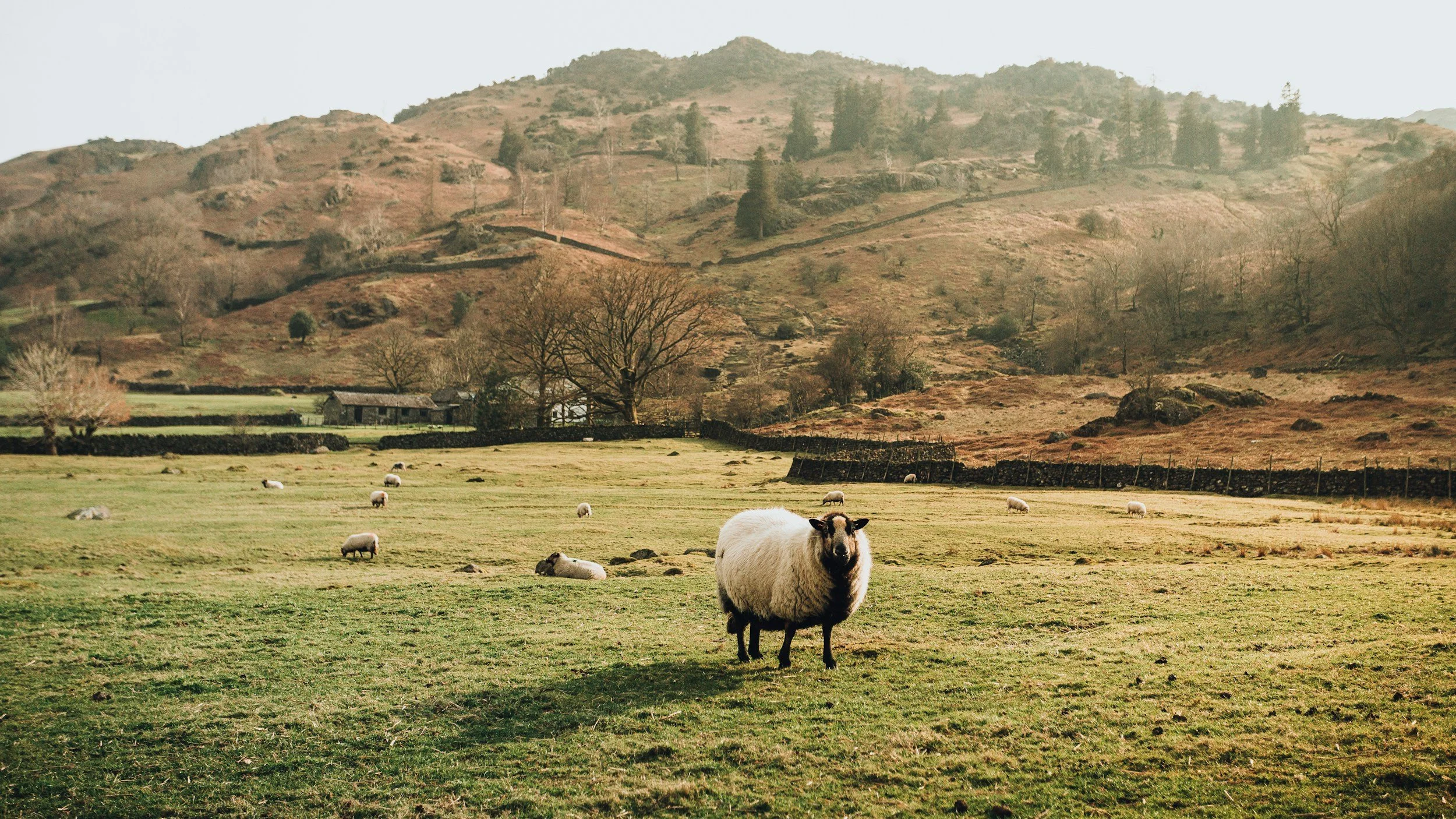
Long before the age of industry, Yorkshire’s textile story began with wool. The region’s geography was its first advantage: the Pennine hills provided fast-flowing streams for power and fulling (cleaning) cloth, while the sheep on the uplands supplied the raw material. By the 16th and 17th centuries, the "domestic system" or "cottage industry" was firmly established. Farming families would spin yarn and weave cloth in their own homes, with merchants coordinating the sale of the finished "Yorkshire cloth" across the country and in Europe.
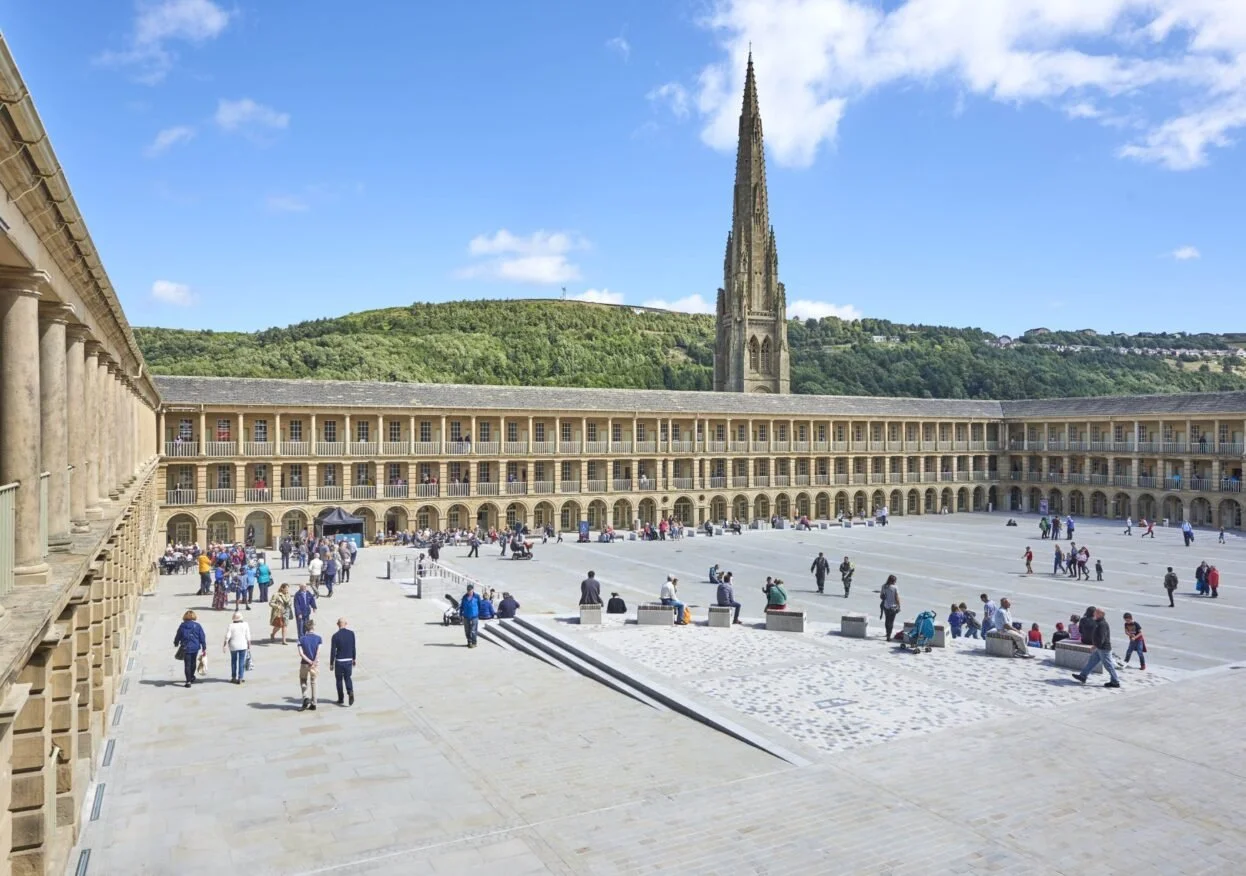
Towns like Halifax, Leeds, and Huddersfield became bustling market centres. The iconic Piece Hall in Halifax, opened in 1779, stands as a testament to this era—a grand, cloistered marketplace where weavers would sell their individual "pieces" of cloth.
The Industrial Revolution: The Power-Loom and the Rise of
the Mill
The 18th century ushered in a period of unprecedented change. Yorkshire inventors and entrepreneurs were at the forefront of this transformation.
·The Mechanisation of Spinning: Machines like the Spinning Jenny (invented by Lancashire's James Hargreaves but rapidly adopted in Yorkshire) and the Water Frame (Richard Arkwright) massively increased the output of yarn. This broke the bottleneck in production, creating a surge in demand for weaving.
The Power Loom: Although slow to be adopted due to resistance from handloom weavers, the power loom eventually mechanised the weaving process, consolidating production into single, powerful locations.
Steam Power: The application of James Watt’s steam engine freed mills from their reliance on rivers, allowing them to be built in urban centres like Bradford and Leeds. These cities boomed, with towering, soot-blackened mills and their iconic chimneys dominating the skyline.
A historical engraving or photograph of a 19th-century Yorkshire mill, such as Manningham Mills in Bradford, showing its immense scale and the forest of chimneys.
This era saw Yorkshire specialise. Bradford became the undisputed global capital of worsted wool—a smooth, strong yarn used for suiting. Leeds focused on heavier woollens and ready-made clothing, earning the nickname "The City of 1000 Trades." Huddersfield and the Colne Valley became synonymous with the highest quality luxury cloth for Savile Row tailors.
The industry’s growth was explosive. Raw materials, particularly cotton from the American South and wool from Australia, flooded into the ports of Liverpool and Hull, transported via new canals and railways directly into the heart of Yorkshir
The King of Cloth: Yorkshire’s Global Dominance
At its zenith in the late 19th century, the Yorkshire textile industry was a global powerhouse. It was said that "Bradford is the worsted capital of the world," processing over two-thirds of the world's wool. Its warehouses held every type of cloth imaginable, sold to every continent.
This success was built on a trifecta of advantages:
Unrivalled Expertise: Generations of skill in engineering, dyeing, and finishing.
Integrated Infrastructure: A dense network of mills, railways, and canals.
The British Empire: Providing both raw materials and captive markets for finished goods.
The social impact was profound. Mill owners built grand estates, while a vast workforce, including women and children, found employment—often in harsh and dangerous conditions. The landscape was permanently altered, and the region's culture and dialects were shaped by the rhythms of the mill.
The Great Unraveling: Decline in the 20th Century
The 20th century brought a slow, painful contraction. The industry that had once been its greatest strength—its scale and reliance on traditional methods—became its Achilles' heel.
· The World Wars: Disrupted global supply chains and export markets.
· Foreign Competition: Post-war, countries like India, China, and Japan began developing their own textile industries with newer machinery and significantly lower labour costs.
· Outdated Infrastructure: Many Yorkshire mills were stuck with Victorian-era machinery and multi-story layouts that were inefficient compared to modern, single-story factories abroad.
· Changing Fashion: The rise of synthetic fibres like polyester reduced the demand for traditional wool.
The result was a wave of mill closures from the 1960s through the 1980s. The familiar sound of looms fell silent, and unemployment soared, leaving a scar on the region's identity.
A New Fabric: Reinvention in the 21st Century
Yet, the story does not end with decline. The Yorkshire textile industry has not disappeared; it has transformed. The legacy of skill and quality has provided a foundation for a modern renaissance, built on three key pillars:
1. Technical Textiles: Many surviving firms have pivoted to high-performance materials. Yorkshire companies now produce fabrics for aerospace, automotive, medical (e.g., implants and bandages), and protective clothing. This high-value, innovation-driven sector is a world away from bulk cloth production.
2. Heritage and Luxury: The names "Huddersfield" and "Yorkshire" still command respect in high fashion. A core of mills continues to produce the world's finest worsteds and tweeds for luxury brands and bespoke tailors, trading on a reputation for quality built over 200 years.
3. Cultural Legacy: The physical remnants of the industry have been repurposed. Former mills now house apartments, offices, art galleries, and museums like the Bradford Industrial Museum and The Leeds Industrial Museum at Armley Mills, ensuring the story is not forgotten.
Image Suggestion 3: A modern, contrasting photograph. On one side, a high-tech lab where technicians handle advanced technical textiles; on the other, a craftsman in a contemporary mill inspecting a roll of luxurious Super 120s wool suiting fabric.
Conclusion
The Yorkshire textile industry is a testament to the cycle of industrial life: birth, growth, maturity, decline, and reinvention. From the cottage weaver to the steam-powered mill and onto the modern technical innovator, it has constantly adapted. While its scale has diminished, its spirit and profound influence on the landscape, economy, and people of Yorkshire remain indelibly woven into the region's identity. It is no longer the "Loom of England" in the sheer volume of cloth, but its thread continues to be an essential part of the nation's industrial fabric
Yorkshire Textile Export Value (1770-1900)